Frozen Pipe Repair: A Complete Guide to Protecting Your Plumbing System

Winter temperatures can be harsh on residential and commercial plumbing systems. One of the most common cold-weather plumbing emergencies is frozen pipes. When water inside a pipe freezes, it expands, creating pressure that can crack or burst the pipe. The resulting leaks often cause extensive property damage and expensive repairs.
Fortunately, timely frozen pipe repair and preventive maintenance can minimize damage and restore water flow quickly. Whether you are a homeowner, facility manager, or maintenance professional, understanding how frozen pipes occur and how a reliable pipe repair kit can help is essential for protecting your property.
In this guide, we’ll explore the causes of frozen pipes, repair options, prevention strategies, and how modern repair kits simplify emergency plumbing repairs.
Understanding Why Pipes Freeze
Water begins to freeze when temperatures drop below 32°F (0°C). Pipes located in unheated or poorly insulated areas are particularly vulnerable, including:
Basements
Crawl spaces
Garages
Attics
Exterior walls
Outdoor plumbing systems
As ice forms inside a pipe, water flow becomes restricted. Pressure builds behind the blockage, increasing the risk of cracks or complete pipe failure. Contrary to popular belief, pipes often burst because of pressure buildup rather than the ice itself.
Signs You Need Frozen Pipe Repair
Identifying a frozen pipe early can prevent major water damage. Common warning signs include:
1. Reduced Water Flow
A faucet producing only a trickle of water may indicate ice blockage inside the pipe.
2. No Running Water
Complete loss of water from one or more fixtures often signals a frozen section.
3. Frost on Pipes
Visible frost or ice accumulation on exposed plumbing is a strong indication of freezing.
4. Strange Odors
Blocked drain or supply lines can cause unusual smells from faucets or drains.
5. Bulging Pipes
Expanding ice may deform the pipe before it ruptures.
6. Water Leaks
Leaks appearing after temperatures rise often indicate a previously frozen and damaged pipe.
Immediate Steps When You Discover Frozen Pipes
If you suspect frozen plumbing, quick action can help reduce damage.
Shut Off the Water Supply
Turn off the main water valve to prevent flooding if the pipe has already cracked.
Open Faucets
Opening faucets connected to the affected line relieves pressure and allows melting ice to escape.
Locate the Frozen Section
Check exposed pipes in colder areas of the building. Frost buildup often identifies the frozen section.
Apply Gentle Heat
Safe thawing methods include:
Hair dryers
Heating pads
Warm towels
Electric heat tape
Never use open flames, blowtorches, or propane heaters directly on pipes because they create fire hazards and can worsen pipe damage.
Common Frozen Pipe Damage
Once a frozen pipe thaws, several issues may become apparent:
Hairline Cracks
Small fractures often leak slowly but worsen over time.
Split Pipe Sections
Long cracks may develop along the pipe wall.
Joint Failures
Pressure frequently damages fittings and connections.
Burst Pipes
Severe freezing can completely rupture the plumbing line.
These problems require immediate frozen pipe repair to avoid water damage, mold growth, and structural deterioration.
How a Pipe Repair Kit Simplifies Emergency Repairs
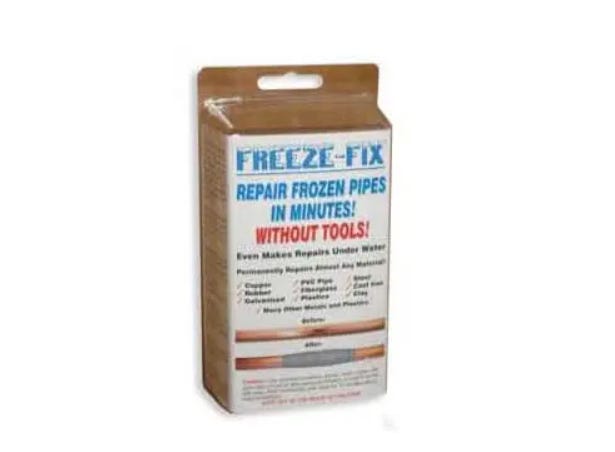
A quality pipe repair kit provides a fast and effective solution when frozen pipes crack or burst.
Modern repair kits typically contain:
Reinforced repair wraps
Epoxy compounds
Adhesive repair materials
Protective gloves
Detailed instructions
These components work together to create a durable seal that restores pipe integrity without extensive plumbing work.
Specialized frozen pipe repair systems can repair common residential pipe sizes and are designed for quick application during emergencies. Some kits can complete repairs in approximately one hour under normal conditions.
Benefits of Using a Pipe Repair Kit
Fast Repairs
Emergency leaks can often be addressed immediately without waiting for professional service.
Cost Savings
Repair kits help avoid costly water damage and reduce temporary plumbing expenses.
Easy Application
Most products require minimal tools and can be used by homeowners and maintenance personnel.
Versatility
Many repair kits work on:
Copper pipes
Steel pipes
PVC pipes
Iron pipes
Durable Performance
High-quality repair wraps and epoxies create strong, long-lasting seals capable of handling everyday plumbing pressures.
Step-by-Step Frozen Pipe Repair Process
Step 1: Shut Off Water
Always isolate the damaged section by shutting off the water supply.
Step 2: Dry the Area
Clean and dry the damaged pipe thoroughly.
Step 3: Prepare the Surface
Remove dirt, corrosion, or loose material around the damaged section.
Step 4: Apply Epoxy Putty
Many pipe repair kits include epoxy compounds that fill cracks and holes.
Step 5: Wrap the Pipe
Use the reinforced repair wrap according to manufacturer instructions.
Step 6: Allow Curing
Wait for the recommended curing time before restoring water pressure.
Step 7: Test the Repair
Gradually turn the water back on and inspect for leaks.
This process can provide a reliable temporary or permanent repair depending on the severity of the damage and the repair system used.
When to Call a Professional Plumber
While a pipe repair kit is highly effective for many situations, professional assistance may be necessary if:
Multiple pipes are damaged
Pipes are inaccessible behind walls
Extensive flooding has occurred
Main water lines are affected
Structural damage is present
Professional plumbers can perform comprehensive inspections and permanent system repairs when needed.
Preventing Frozen Pipes in the Future
Preventive measures are often far less expensive than emergency repairs.
Insulate Exposed Pipes
Pipe insulation sleeves significantly reduce freezing risks.
Maintain Indoor Temperatures
Keep indoor temperatures consistent, even when the property is vacant.
Seal Drafts
Close gaps around doors, windows, and pipe penetrations.
Open Cabinet Doors
Allow warm air to circulate around plumbing beneath sinks.
Let Faucets Drip
A slow trickle of water helps prevent freezing during extreme cold weather.
Disconnect Outdoor Hoses
Remove hoses before winter and protect outdoor faucets.
Install Heat Tape
Electric heat tape can provide additional protection in vulnerable areas.
Why Emergency Preparedness Matters
Frozen pipe emergencies often occur during severe weather events when plumbing professionals are in high demand. Having a trusted pipe repair kit available allows homeowners and maintenance teams to respond immediately, minimizing water damage and downtime.
Preparedness is especially important for:
Residential properties
Apartment complexes
Schools
Commercial buildings
Industrial facilities
Agricultural operations
Quick action can save thousands of dollars in repair and restoration costs.
Choosing the Right Pipe Repair Kit
When selecting a repair solution, consider:
Pipe Compatibility
Ensure the kit works with your pipe material.
Temperature Performance
Look for products tested for cold-weather applications.
Ease of Use
Simple instructions reduce repair time during emergencies.
Strength and Durability
High-performance wraps and epoxies provide longer-lasting results.
Coverage Size
Choose a kit capable of repairing the pipe diameters commonly found in your system.
Investing in a reliable repair kit before winter arrives is one of the smartest ways to prepare for unexpected plumbing emergencies.
Conclusion
Frozen pipes can quickly escalate from a minor inconvenience into a costly disaster. Understanding the warning signs, acting quickly, and using an effective frozen pipe repair solution can significantly reduce damage and restoration expenses.
A dependable pipe repair kit provides homeowners and facility managers with a practical emergency solution for repairing cracks, leaks, and burst sections caused by freezing temperatures. Combined with proper insulation and preventive maintenance, these repair systems help ensure your plumbing remains functional and protected throughout the winter season.
By preparing in advance and responding promptly when freezing occurs, you can safeguard your property, minimize downtime, and avoid the financial burden associated with major plumbing failures.
Frequently Asked Questions (FAQs)
1. What causes pipes to freeze?
Pipes freeze when temperatures drop below 32°F (0°C), especially in unheated or poorly insulated areas such as attics, basements, crawl spaces, and exterior walls.
2. Can I repair a frozen pipe myself?
Yes. Minor cracks and leaks can often be repaired using a quality pipe repair kit, provided the damage is accessible and not extensive.
3. How long does frozen pipe repair take?
Many emergency repairs can be completed in about one hour, depending on the repair system used and environmental conditions.
4. Is a pipe repair kit a permanent solution?
Many high-quality kits provide durable long-term repairs. However, severely damaged pipes may eventually require professional replacement.
5. What is the safest way to thaw frozen pipes?
Use gentle heat sources such as hair dryers, heating pads, warm towels, or heat tape. Never use open flames or torches.
6. How can I prevent pipes from freezing again?
Insulate exposed pipes, seal air leaks, maintain indoor heat, allow faucets to drip during extreme cold, and use heat tape where necessary.
7. When should I call a plumber?
Contact a professional if multiple pipes are damaged, flooding has occurred, the frozen section cannot be located, or the main water line is affected.
8. Why should I keep a pipe repair kit on hand?
A pipe repair kit enables immediate response to leaks and burst pipes, helping reduce water damage, repair costs, and downtime during plumbing emergencies.